
Formalizing Informal Work: Addressing Domestic Workers' Labor Exploitation with National Skills Standard Policy in Myanmar

Author: Nyein Chan Min Lwin
Advisor: Piyapong Boossabong
Executive Summary
This study proposes the implementation of a national skills standard policy as a strategy to address the labor exploitation issues experienced by domestic workers in Myanmar. It unpacks the present decent work challenges within the domestic work sector and offers targeted policy solutions. The proposed policies are analyzed using an impact assessment and stakeholder analysis framework. The study concludes that implementing a skills standard policy can significantly reduce labor exploitation and generate several positive results for domestic workers when effectively implemented and practiced in Myanmar.
Background
With exclusion in national labor laws and consideration as informal work, domestic workers in Myanmar are likely to experience exploitation by employers, agencies, and brokers. Following the surge of high-profile cases of serious abuse against domestic workers in recent years, policy changes, reforms, and protective measures were initiated by the International Labour Organization, labor rights groups, and women’s rights networks, driven by public concerns since 2018 (ILO, 2019). These initiatives are primarily based on the ILO Domestic Workers Convention-189 and advocate for making decent work, inclusion of domestic workers in labor laws, and adoption of domestic worker bills. Fast forward to 2025, Myanmar still does not have legal frameworks to formalize domestic work as skilled work, and domestic workers are not recognized as skilled workers despite their performing ILO ‘International Standard Classification of Occupations (ISCO-08)’ level 2 skills (ILO, 2023).
Under the Myanmar Employment and Skill Development Law, skilledworker means a person who has been issued any type of occupational skills recognition certificate by the Skill Assessment Center with the approval of the Skills Development Agency under this law (The Pyidaungsu Hluttaw Law No. 29/2013). However, Myanmar does not have a nationally accredited skills standard for domestic work, and only a few local CSOs are taking the initiative to deliver necessary skills training, enabling domestic workers to work more professionally and earn appropriate incomes (ILO, 2023). Given the important role of skills assessment and development in equipping workers with necessary technical expertise (NSSA, 2015), Myanmar could implement a national skills standard development policy for domestic workers.
Research Objectives
The study aims to identify the challenges domestic workers face in achieving decent work and to provide effective policy solutions to address the systematic cause of labor exploitation. It also seeks to analyze and assess whether the proposed policy ‘National Skills Standard Development’ can attain positive social and economic impacts as well as deliver benefits to stakeholders.
Analytical Framework
To answer the research question on identifying the challenges faced by domestic workers in attaining decent work, causal layered analysis (CLA) is used through the steps of litany, systematic causes, worldview, and myths. Policy solution is developed using the policy instrument of the effective-equality, security-liberty axis. In order to achieve an effective and security-conscious solution, a regulatory policy proposal—Skill Standard Development Policy—is proposed to the government. The policy analysis for the skills standard development is conducted using the impact assessment and stakeholder analysis.
Methodology
Research conducted using a qualitative method by analyzing secondary data through literature reviews of publications, reports, and news websites. Due to lack of quantitative data, research for domestic workers in Myanmar, research uses non-monetary indicators and qualitative methods to measure the impact. Impacts are measured in terms of positive and negative value bring to economic and social aspects from ‘Skill Standard Development’ policy. For stakeholders, analysis is conducted using a gains and losses framework and identifies groups who benefited or faced disadvantages.
Casual Layered Analysis of Challenges Faced by Domestic Workers in Attaining Decent Work
With casual layered approach, the struggle of making domestic work into decent work is analyzed deep down and goes beyond conventional framings of issue.
Litany: Domestic workers experiencing labour exploitation
Cultural norms and practices believe that housework and domestic work, mostly carried out by women, should not be described or regarded as real work but rather as normal household chores. This longstanding occupation, typically performed by women from socially and economically vulnerable backgrounds, is deeply rooted in society and communities as ‘not real work or a formal job.
Systematic causes: Informal job and no support transition policies to promote formality
Informal employment culture and poor working conditions create domestic workers who do not fit in existing labor laws and policies. The denial of domestic work as ‘real work’ prohibits workers from enjoying labor rights such as access to minimum wage, rights to days off, overtime fees, and social protection benefits. These exclusions perpetuate job insecurity, lack of safety nets, and extreme fragility when workers experience unexpected circumstances and uncertainty, global pandemics, and natural disasters.
Worldview: Unskilled workers
As domestic work is still a highly informal sector in Myanmar, the recognition and the realization of its contribution to society are not wholly accepted yet. This failure of recognition is caused by considering domestic workers as unskilled ones.
Narrative: Negative perception toward domestic workers
The ideas and labeling of domestic workers as lower social class are deeply rooted in society, triggered by Myanmar movies and stories’ narratives. Consequently, ill treatment, discrimination, and lack of trust toward domestic workers are frequently viewed by employers and the public. These rooted narratives push a lack of mutual understanding between employers and employees, which is important for a positive working environment.
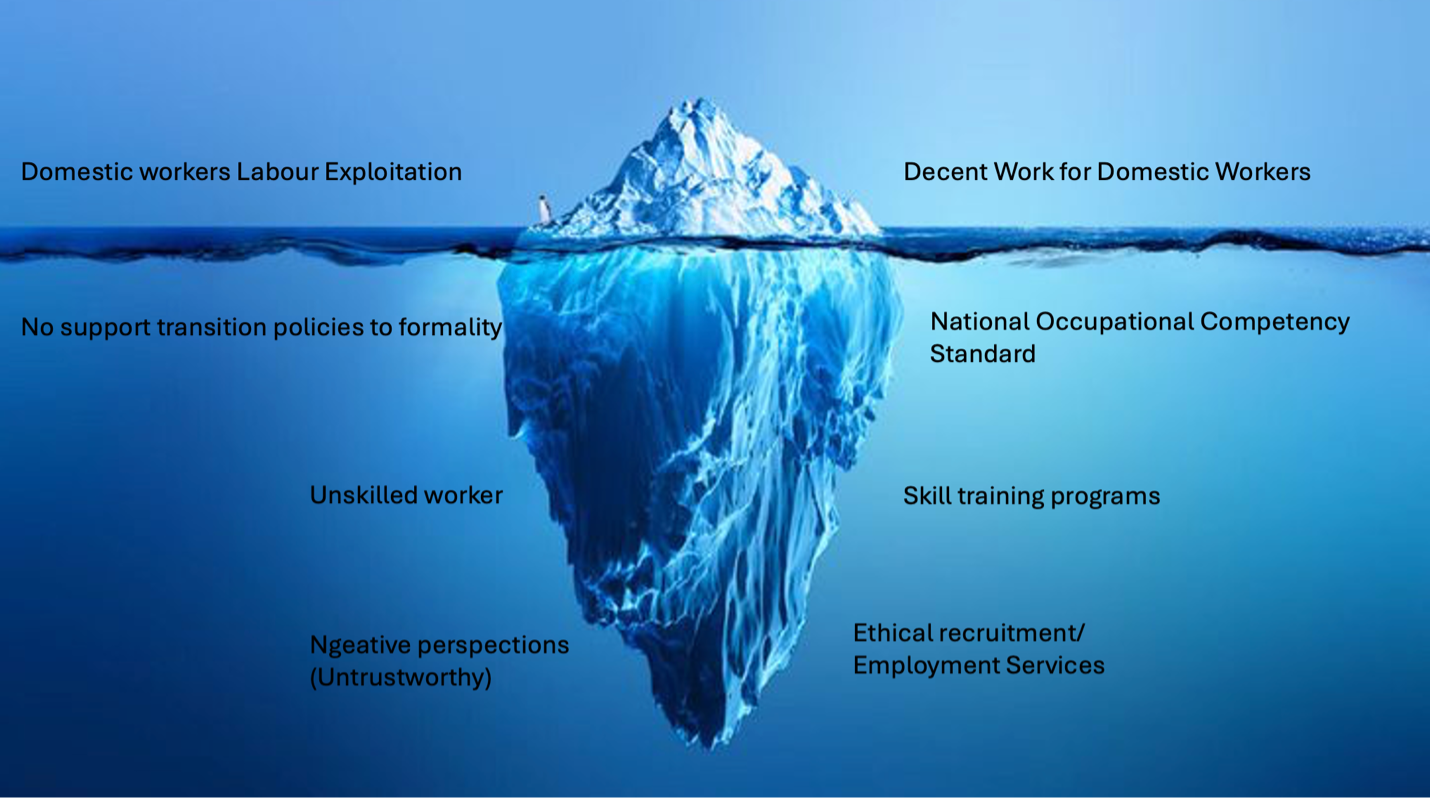
Figure 1. Casual layered analysis: challenges of domestic workers in attaining decent work
Policy Analysis
National Skills Standard for Domestic Workers
Policy intervention that affects the livelihood opportunity of domestic workers is to use strategic policy solutions to address the systematic cause of labor exploitation issues faced by domestic workers. Developing a ‘National Skill Standard Policy’ solution should be assessed in terms of several goals: positive social and economic impact and stakeholder benefits.
This analysis considers four policy measures: (1) domestic work competency standard curriculum and assessment development; (2) training programs through accessible training centers, which collaborated between public, private, and CSO; (3) financial aid and support for trainees; and (4) employment services for certificated workers, which would encourage the development of licensed employment agencies for domestic work and ethical recruitment.
Impact Assessment
Improved Working Conditions and Labor Benefits
A nationally recognized skills standard of domestic work would address the negative perception towards domestic workers and foster the community’s practice of positive attributes of respect and dignity towards them. With this initiative of domestic work transitioning to formal economy, workers could gain access to better working conditions which include fundamental rights such as wages, working hours, and occupational health and safety (ILO, 2025). National awareness and public campaigns of skills recognition program would recognize the social contribution of domestic work to societies and shift the negative narratives of unskilled work, untrustworthy and lower social class, which will reduce employers’ poor treatment of workers and improve the better working conditions.
As domestic workers become skilled workers under Myanmar’s employment and Skill Development Law, 2013, workers shall be entitled to labor benefits such as minimum wage, working hours, overtime fees, and social security. Due to the employment nature of informality, domestic workers are extremely vulnerable to unexpected circumstances such as job termination, health issues, natural disasters, and crises. These situations have left domestic workers relying on work as an income source, struggling financially, and creating a poverty loop. Social security safety nets would allow workers economically resilient to life cycles’ unexpected circumstances and improve their livelihood.
Women Empowerment and Gender Equality
The opportunity for domestic workers, significantly those who are women, to get the nationally recognized skill certificate will not only empower them financially through job security but also provide great investing for gender equality. By facilitating the transition of workers from informal to formal economy, it reduces the structural barriers to achieving social justice and equality (ILO, 2025). As women enter the formal labor workforce, their economic contribution could be measured and visible. Labor exploitation issues would also be avoidable when workers are competent and aware of their rights. Through employers’ attitudes and negative perceptions towards domestic work changing and following ethical hiring practices, the positive employer-employee relationship would benefit. A positive working environment would create workers free from vulnerable working situations and empower them by providing respectful job status. Moreover, decent wages will allow women workers to have economic capacity to make financial decisions in the household and support women’s leadership in decision-making positions. However, women from economically disadvantaged backgrounds and very marginalized communities may face access challenges in joining the trainings and attaining the certificates. It would also likely create another inequality and motivate women to join other informal sectors.
Job Opportunity
Helping domestic workers to attain certified recognition would promote their job security by enabling employers to hire skillful certificate holders and allowing them to showcase their capacities. The government support for national skill standards would attract training centers, private institutions, employment agencies, and work organizations to open training courses and use accredited national curriculum in producing skilled workers. This program will allow employers to reduce the stress burden of finding qualified ones and open many job opportunities for workers. Not only will the local job market open, but domestic workers can now choose to migrate professionally by holding a government-recognized certificate. Through completing the skills training course, workers would recognize formal employment and ensure they earn a decent wage while benefiting from labor rights and protections. Also, continued investments in sector development that align with market trends, demand, and skills assessment will gradually make the workers technically confident and empowered through economic resilience. However, job competitiveness may push workers to attain certificates, and workers have to invest more in training fees and related costs.
Economic Growth
Domestic work value is recognized in a range of different ways by different groups at different levels instead of a single true answer (ILO, 2011). This livelihood strategy is a way of earning higher salaries to achieve socio-economic mobility (Asia Research Institute, NUS 2014). Domestic workers providing essential household services could free up time for employers and family members, which indirectly increases workforce participation. By reducing the care burden, domestic workers help to increase productivity in formal labor market and support economic growth. Myanmar migrant domestic workers who hold skills certification would be more likely to secure decent jobs abroad, which in turn contributes to increased national foreign exchange earnings through migrant remittances.
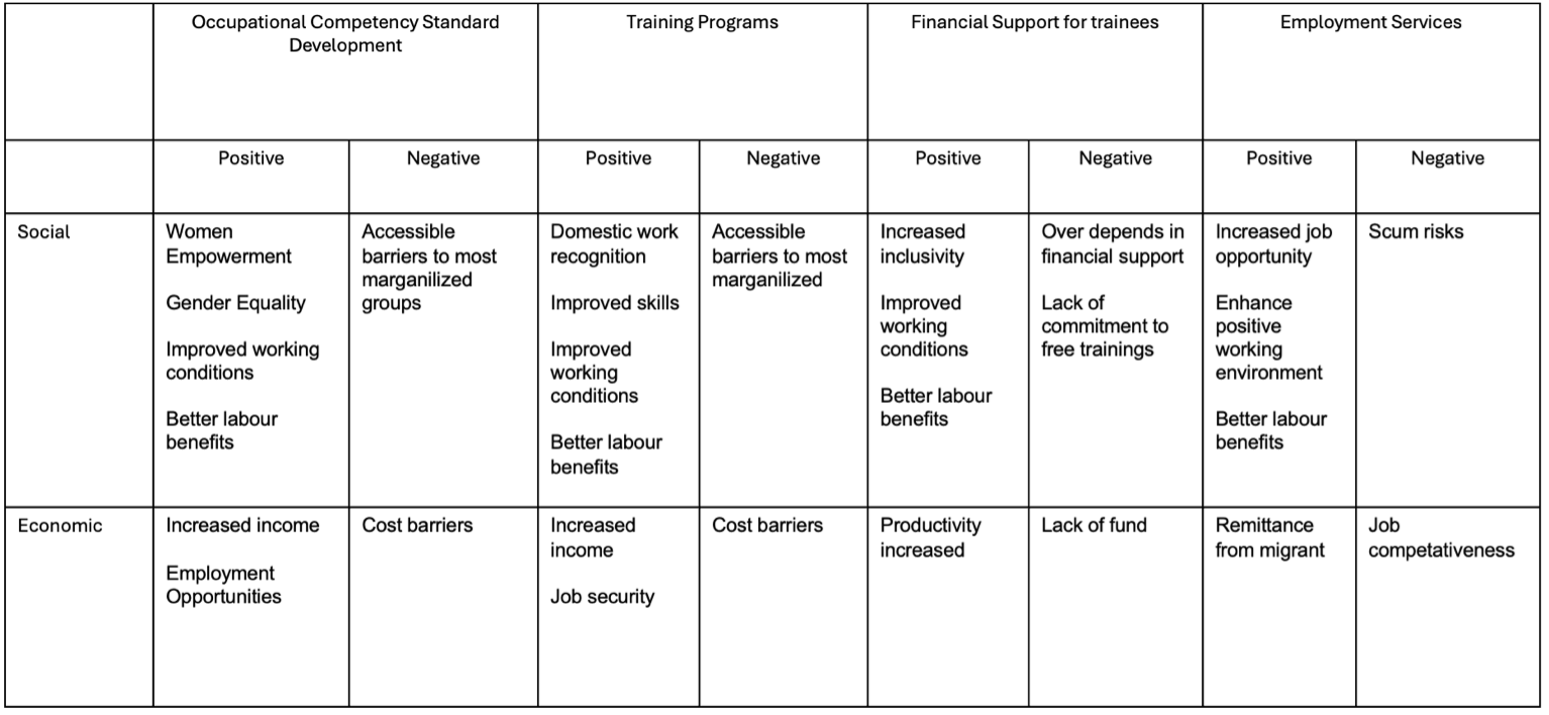
Figure 2: Impact Assessment of Policy Measures for National Skills Standard Development
Stakeholders Impact
Domestic workers who provide care services stand to benefit significantly through improved employment opportunities, greater job security, better wages, and increased recognition of their economic contributions. Economically disadvantaged women would gain access to skills training programs, have their qualifications formally recognized, and be more likely to secure formal employment with decent working conditions.
Several features of this policy intervention would bring profits to the government. The government could create employment opportunities by allowing informal workers to transition to formal workers. It could also address the labor exploitation issues and guarantee protections and benefits to workers, making it politically attractive.
It would also promote the establishment of employment agencies, specialized domestic worker agencies, overseas employment companies, and private training institutes to recruit the skilled workers. Agencies could gain revenues through job-matching services and sending the workers to international markets.
Investing in care benefits everyone by making all other jobs possible with both paid and unpaid care work (WeForum, 2024). Employers, family members, and households that require primary care services, such as for senior citizens, people with disabilities, or individuals with long-term illnesses, can reduce household stress and ease their care burden by hiring skilled domestic workers. This also would enable individuals in formal employment sector to participate more fully in the workforce, increase productivity, and balance the society by addressing care needs.
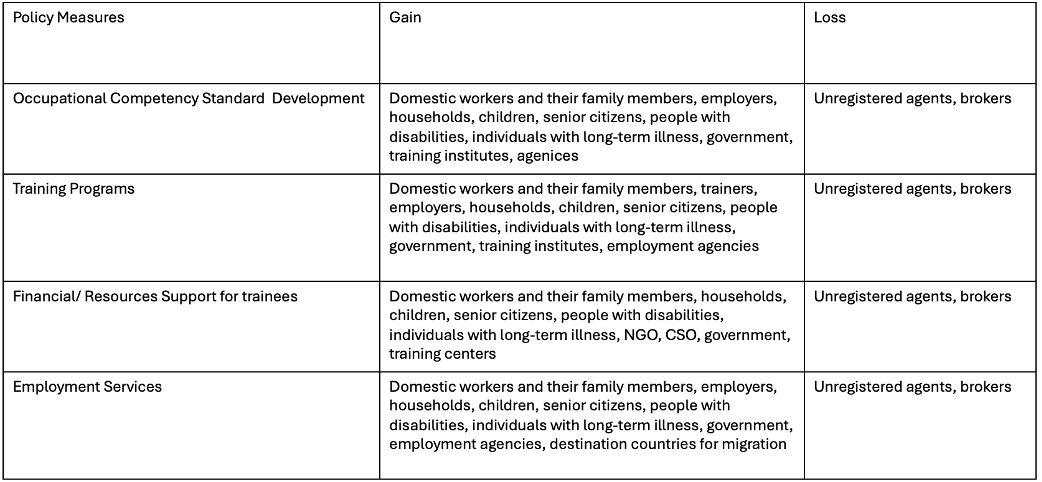
Figure 3: Stakeholders Impact Analysis
Conclusion and Recommendations
To summarize, all four policies support each other in terms of policy goals, which positive social and economic impacts outweigh negative ones and bring multiple gain benefits to stakeholders. To maximize the benefits of policy impacts, all four policies are needed and should be implemented together. These policy measures of skill standard development would address the domestic workers’ labor exploitation issues by bringing domestic workers under national employment and skill development law and arranging formal regulation of informal sector. These realizations of workers’ competencies allow workers to enjoy better benefits and reduce vulnerabilities to labor exploitation and uphold access to dignified work opportunities.
However, the transition of informal workers to formal employment is complicated by the diverse and complex nature of informality. Therefore, several measures to support this transition should be tailored to address the specific and varied needs of informal workers (ILO, 2025). While the development of national skills standard policies helps address structural issues related to the exploitation of domestic workers, more comprehensive policy measures and prohibitions are needed to fully realize their rights. The following recommendations are proposed for policymakers to ensure domestic workers’ access to decent work, attaining social and economic justice as well as sustainable livelihoods:
- Adopt domestic workers bills and include domestic workers in national labor laws, ensuring workers enjoy workers’ benefits such as minimum wage, days off, holidays, regular leave, and social security.
- To fully recognize domestic workers as skilled workers and their contribution to society, implement a national-level public campaign of ‘decent work’ addressing the communities rooted narratives of negative attitudes towards domestic workers.
- Implement a rights-to-justice program for domestic workers who want to access support for labor violations. Develop effective and accessible complaint mechanisms and psychosocial support services.
- Ensure the rules and regulations are enforced and practiced at all levels.
- Regularly update national skills standard policies and develop specific skills development programs for the domestic work sector in line with changing market demand and the emerging tech industry.
References
- 15-Year-Old Domestic Worker Beaten to the Point of Hospitalization. https://www.myanmarlabournews.com/en/posts/15-year-old-domestic-worker-beaten-to-the-point-of-hospitalization. Accessed 2 Apr. 2025.
- Cebu Declaration on the Blueprint of the ASEAN Charter. ASEAN, 13 Jan. 2007, https://asean.org/cebu-declaration-on-the-blueprint-of-the-asean-charter-cebu-philippines-13-january-2007/.
- Convention C189 – Domestic Workers Convention, 2011 (No. 189). https://normlex.ilo.org/dyn/nrmlx_en/f?p=NORMLEXPUB:12100:0::NO::P12100_INSTRUMENT_ID:2551460. Accessed 2 Apr. 2025.
- Domestic Workers Are Still Not Legally Recognized as Workers. https://www.myanmarlabournews.com/en/posts/domestic-workers-are-still-not-legally-recognized-as-workers. Accessed 2 Apr. 2025.
- “Empowering Domestic Workers: The Inaugural Journey of the First Myanmar Domestic Worker Association” | United Nations in Myanmar. https://myanmar.un.org/en/254701-empowering-domestic-workers-inaugural-journey-first-myanmar-domestic-worker-association, https://myanmar.un.org/en/254701-empowering-domestic-workers-inaugural-journey-first-myanmar-domestic-worker-association. Accessed 2 Apr. 2025.
- ILO. Asia Leads World in Domestic Worker Numbers but Legal Protection, Working Conditions Lag. 9 Jan. 2013, https://www.ilo.org/resource/news/asia-leads-world-domestic-worker-numbers-legal-protection-working-0.
- The ILO’s Decent Work Agenda. 10 Mar. 2020, https://www.ilo.org/topics/decent-work.
- ILO. Innovative Approaches to Addressing Informality and Promoting the Transition to Formality for Decent Work. no. International Labour Conference 113th Session, 2025, https://www.ilo.org/sites/default/files/2025-04/ILC113-VI-AP-FORMALIZATION-%5B250131-003%5D-Web-EN.pdf.
- Kong, Hillary Leung / Hong. “Here’s How Much Domestic Workers Add to Hong Kong’s Economy.” TIME, 6 Mar. 2019, https://time.com/5543633/migrant-domestic-workers-hong-kong-economy/.
- Legal Protection of Domestic Work in Myanmar. ILO, 5 Dec. 2019, https://www.ilo.org/publications/legal-protection-domestic-work-myanmar.
- Marie-Jose, Tayah. Skills Development and Recognition for Domestic Workers across Borders. ILO, 26 Oct. 2016.
- MIZZIMA. Domestic Workers Law Could Be Enacted next Year. 18 Dec. 2019, https://www.bnionline.net/en/news/domestic-workers-law-could-be-enacted-next-year.
- MYANMAR DOMESTIC WORKERS – DRIVING DEVELOPMENT AT HOME AND ABROAD. UN Women Asia Pacific, June 2017, https://asiapacific.unwomen.org/sites/default/files/Field%20Office%20ESEAsia/Docs/Publications/2018/04/mig-DW-Research_English-r02x.pdf.
- Miyamoto, Michiko. Launch of Skills Training Initiative for Domestic Workers: Improving Domestic Workers’ Job Quality and Standards. ILO, 30 Sept. 2016, https://www.ilo.org/resource/news/launch-skills-training-initiative-domestic-workers-improving-domestic.
- NATIONAL COMPETENCY STANDARDS FOR HOUSEKEEPER (CERTIFICATE 2). TVET QUALITY COUNCIL, BHUTAN QUALIFICATIONS AND PROFESSIONALS CERTIFICATION AUTHORITY, THIMPHU, BHUTAN, Sept. 2024, https://www.blmis.gov.bt/tvet/MyDocument//2024/287154337Validated%20%20NCS%20for%20Housekeeper%202024.pdf.
- OCCUPATIONAL COMPETENCY SKILLS SURVEY OF NATIONAL SKILL STANDARD AUTHORITY (NSSA) FOR SKILLS STANDARD DEVELOPMENT.
- Myanmar Marketing Research & Development Co., Ltd (MMRD – Business Insight) in collaboration with NSSA Project Team, Sept. 2015, https://nssa.gov.mm/files/MMRD%20NSSA%20report%20(17-sep-15).pdf.
- PROMISE Programme. IOM, 22 Mar. 2024, https://thailand.iom.int/promise-programme.
- Skilled to Care, Forced to Work? Recognizing the Skills Profiles of Migrant Domestic Workers in ASEAN amid Forced Labour and Exploitation. ILO, 15 June 2023, https://www.ilo.org/publications/skilled-care-forced-work-recognizing-skills-profiles-migrant-domestic.
- Training Regulations DOMESTIC WORK NC II. TECHNICAL EDUCATION AND SKILLS DEVELOPMENT AUTHORITY, 2022, https://tesda.gov.ph/Downloadables/TRs/TR%20-%20Domestic%20Work%20NC%20II.pdf.
- Thazin, K., & Campbell, S. (2023). How Deteriorating Conditions in Myanmar Affect Migrant Domestic Workers in Singapore: A Transnational Analysis of Migrant Labour Regulation. Journal of Current Southeast Asian Affairs, 42(1), 90-109. https://doi.org/10.1177/18681034231162641 (Original work published 2023)
- Vientiane Declaration on Skills Mobility, Recognition and Development for Migrant Workers. ASEAN, 9 Oct. 2024, https://asean.org/vientiane-declaration-on-skills-mobility-recognition-and-development-for-migrant-workers/.
- “Why Caring about the Care Economy Is Key to Growth and Well-Being.” World Economic Forum , 15 Oct. 2024, https://www.weforum.org/stories/2024/10/caring-care-economy-key-growth-and-well-being/.